The Convergence of AI and Robotics
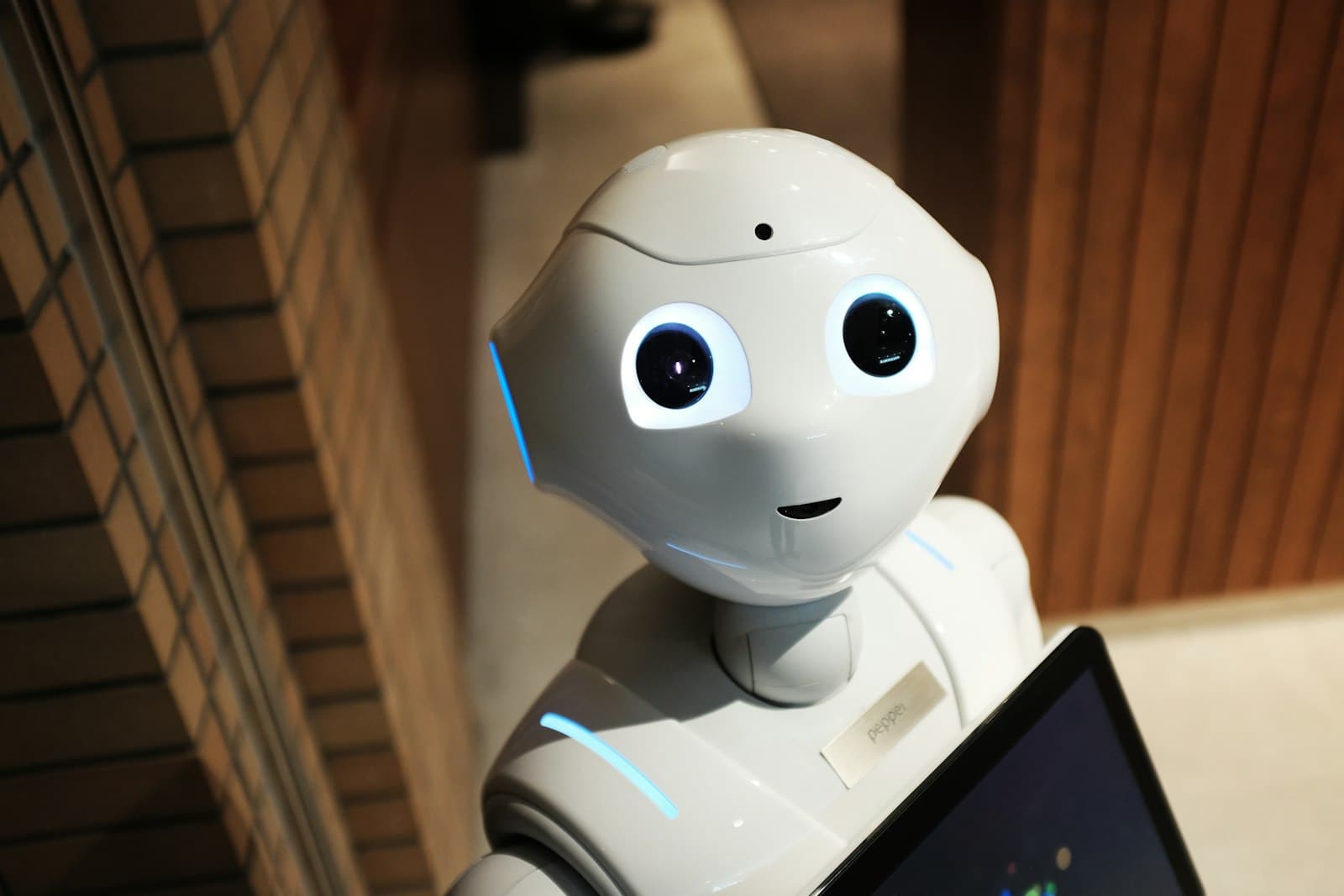
In the rapidly evolving landscape of artificial intelligence, a new paradigm is emerging that extends beyond mere software algorithms and data processing. This frontier, known as Physical AI, represents the intelligent integration of AI with physical systems, enabling machines to perceive, reason, and act within the tangible world. This transformative concept is poised to redefine industries, enhance human capabilities, and unlock unprecedented levels of automation and autonomy. As organizations strive for greater efficiency and innovation, understanding the nuances of Physical AI becomes not just advantageous, but imperative for future relevance.
What is Physical AI? Defining the Next Frontier
Physical AI, often referred to as embodied AI or intelligent robotics, signifies the culmination of artificial intelligence and advanced robotics. Unlike conventional AI that primarily operates in digital environments, Physical AI endows machines with the capacity to interact physically with their surroundings, learn from these interactions, and execute complex tasks autonomously. It represents a fundamental shift from AI as a computational tool to AI as an active participant in the physical realm.
The Convergence of AI and Robotics
At its core, Physical AI is the synergistic product of cutting-edge AI algorithms and sophisticated robotic hardware. It involves equipping robots with advanced cognitive abilities, including perception, decision-making, and motor control, allowing them to perform tasks that demand adaptability, dexterity, and real-time problem-solving. This convergence moves beyond simple pre-programmed actions, enabling robots to interpret sensory data, understand context, and respond dynamically to unforeseen circumstances.
Beyond Software: Intelligence in the Physical World
The distinction between traditional AI and Physical AI lies in its operational domain. While software-based AI excels in tasks such as data analysis, natural language processing, and image recognition, Physical AI extends these intelligent capabilities into three-dimensional space. It involves machines that can manipulate objects, navigate complex environments, perform intricate assembly, and collaborate with humans, all while leveraging AI to learn and improve their performance through experience. This embodiment of intelligence provides a bridge between the digital intellect and tangible action.
Key Components and Technologies Driving Physical AI
The realization of Physical AI relies on a sophisticated interplay of various technological advancements. These foundational components enable intelligent systems to effectively perceive, process, and act within the physical environment.
Advanced Robotics and Actuation Systems
Modern robotics provides the essential hardware framework for Physical AI. This includes highly articulated robotic arms, mobile robots, drones, and humanoid robots, equipped with precision actuators, grippers, and end-effectors. These systems offer the necessary mechanical dexterity and mobility for performing complex physical tasks, often featuring lightweight materials and advanced kinematics for greater agility and safety.
Sensor Fusion and Environmental Perception
For Physical AI systems to understand their surroundings, robust sensory input is crucial. This involves the integration and interpretation of data from various sensors, such as LiDAR, cameras (RGB-D, thermal), ultrasonic sensors, haptic sensors, and IMUs (Inertial Measurement Units). Sensor fusion techniques combine these diverse data streams to create a comprehensive and accurate real-time representation of the environment, enabling precise navigation, object recognition, and interaction.
Real-time Data Processing and Edge Computing
Operating in dynamic physical environments demands immediate responsiveness. Physical AI systems require powerful computational capabilities for real-time data processing, often utilizing edge computing. This approach processes data closer to the source (the robot itself) rather than relying solely on remote cloud servers, significantly reducing latency and enhancing decision-making speed crucial for safety-critical applications and dynamic interactions.
AI Algorithms for Learning and Adaptation
The intelligence within Physical AI is driven by advanced AI algorithms. Reinforcement Learning (RL) enables robots to learn optimal behaviors through trial and error, receiving rewards for desired actions. Imitation Learning allows robots to learn from human demonstrations, replicating complex movements and strategies. Additionally, deep learning for perception, path planning algorithms, and sophisticated control systems contribute to the robot's ability to learn, adapt, and perform tasks with increasing proficiency.
Applications of Physical AI Across Industries
The transformative potential of Physical AI is evident in its diverse applications, revolutionizing operational paradigms across numerous sectors.
Manufacturing and Industrial Automation
In manufacturing, Physical AI is driving the next generation of smart factories. Collaborative robots (cobots) equipped with AI can work alongside humans, performing intricate assembly tasks, quality inspections, and material handling with enhanced precision and flexibility. This leads to increased productivity, reduced waste, and improved safety in production lines.
Logistics and Supply Chain Optimization
Autonomous mobile robots (AMRs) and intelligent sorting systems powered by Physical AI are transforming warehousing and logistics. These systems can navigate complex layouts, pick and place items, and optimize delivery routes, significantly accelerating order fulfillment, reducing operational costs, and improving inventory management efficiency.
Healthcare and Assistive Robotics
Physical AI is making significant strides in healthcare, from surgical robots that assist with minimally invasive procedures to assistive robots that aid elderly or disabled individuals in daily living tasks. These intelligent systems enhance patient care, provide rehabilitation support, and improve accessibility, allowing medical professionals to focus on more critical aspects of care.
Autonomous Systems (Vehicles, Drones)
Perhaps one of the most visible applications of Physical AI is in autonomous vehicles and drones. Self-driving cars utilize AI to perceive their surroundings, make navigation decisions, and operate safely without human intervention. Similarly, AI-powered drones are employed for inspection, delivery, surveillance, and mapping, operating autonomously in complex environments.
Agriculture and Environmental Monitoring
In agriculture, Physical AI contributes to precision farming through intelligent robots that can monitor crop health, detect diseases, apply targeted pesticides, and even perform autonomous harvesting. Drones equipped with AI cameras assist in large-scale environmental monitoring, tracking wildlife, assessing forest health, and detecting pollution with greater accuracy and efficiency.
Challenges and Ethical Considerations in Physical AI Development
While the prospects of Physical AI are immense, its widespread adoption presents significant technical, ethical, and societal challenges that demand careful consideration and proactive solutions.
Safety and Reliability
Ensuring the safety and reliability of Physical AI systems is paramount, especially when operating in close proximity to humans or in critical infrastructure. The complexity of these systems necessitates rigorous testing, robust failure mechanisms, and continuous learning capabilities to prevent accidents and malfunctions. Developing fail-safe protocols and real-time anomaly detection is a critical engineering challenge.
Ethical Implications and Societal Impact
The growing autonomy of Physical AI systems raises profound ethical questions. Concerns include potential job displacement, the implications of automated decision-making in morally ambiguous situations, privacy issues related to extensive sensor data collection, and the potential for misuse. Thoughtful dialogue and proactive measures are essential to mitigate adverse societal impacts.
Regulatory Frameworks and Governance
Current regulatory frameworks are often ill-equipped to address the complexities introduced by Physical AI. Developing comprehensive legal and ethical guidelines for the design, deployment, and operation of these systems is